Travel guide
Paris, France
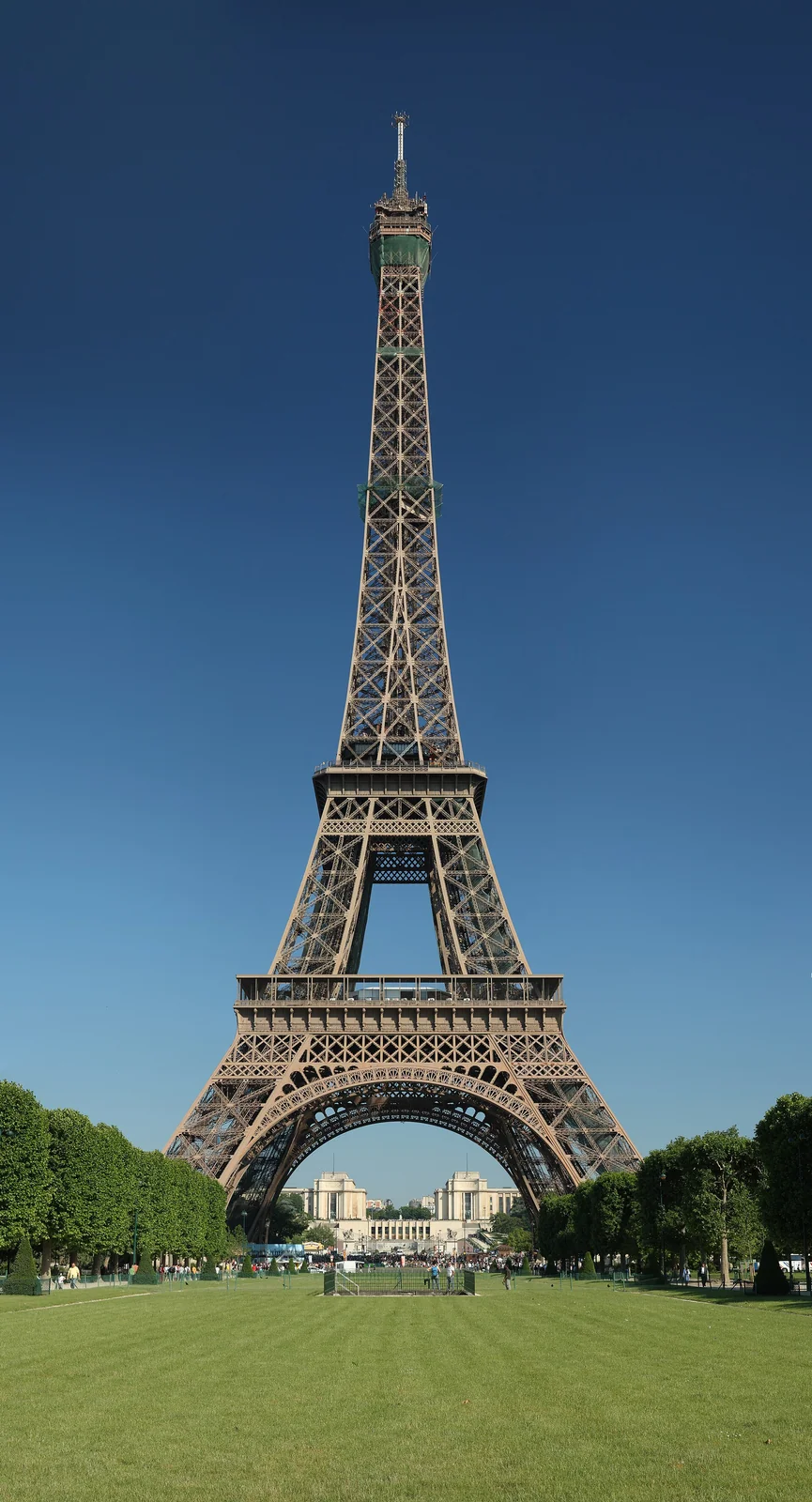
Eiffel Tower: iron and skyline
Discover the iron landmark built for the 1889 Paris World's Fair. Explore the story behind its latticework and its place in the city skyline.
Photo: King of Hearts, “Louvre Cour Carrée June 2010.jpg”, Wikimedia Commons · CC BY-SA 3.0. Resized proportionally to 1600 × 1064 pixels and converted from JPEG to WebP at quality 85. No crop, retouch or AI generation.
Discover the Louvre as a former royal palace and a museum. Explore how courtyards, galleries and artworks contribute to its distinctive character.
The Louvre is a museum inside a palace, and both parts of that identity deserve attention. The glass pyramid in Cour Napoléon offers a clear contrast with the surrounding historic architecture, while the museum's own palace guide introduces spaces associated with painting, sculpture and antiquities. Instead of trying to turn the whole building into a checklist, choose a theme that interests you and use the official collection resources to investigate it. Architectural details, transitions between rooms and the arrangement of the courtyards can be as revealing as individual objects. This editorial introduction gives context for planning; any gallery selection should be checked against the museum's current information because displays and room availability can change.
These descriptions and highlights are reviewed independently. Check the attraction or local tourism authority for current visitor information before making plans.
This is an editorial guide to help you explore. Opening arrangements, entry requirements and current visitor information can change. Check the attraction or local tourism authority before your visit.
No admission ticket, transport or guided service is included with this guide.
Discover the iron landmark built for the 1889 Paris World's Fair. Explore the story behind its latticework and its place in the city skyline.