Travel guide
Paris, France
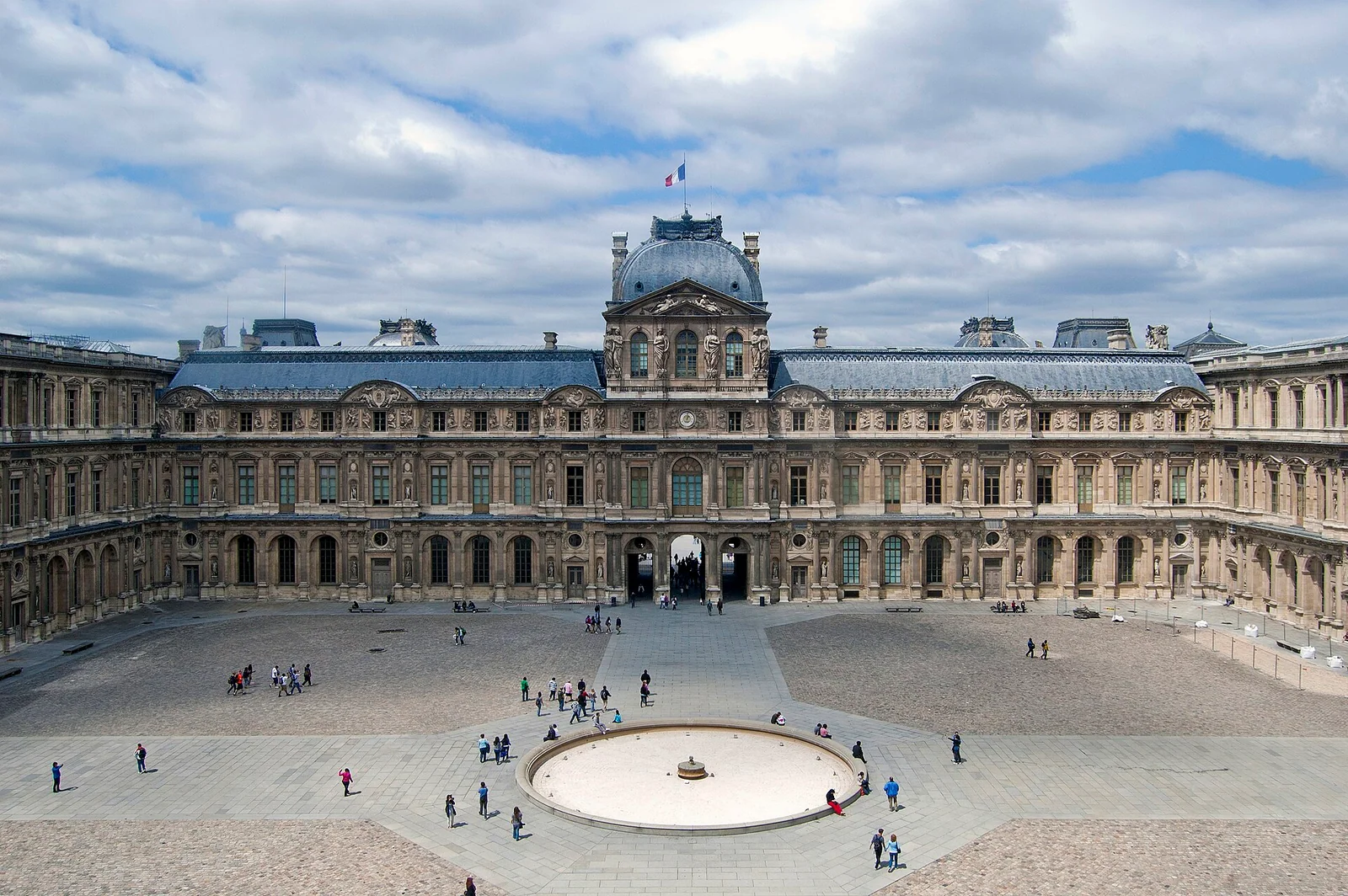
Louvre: palace and collections
Discover the Louvre as a former royal palace and a museum. Explore how courtyards, galleries and artworks contribute to its distinctive character.
Photo: Benh LIEU SONG, “Tour Eiffel Wikimedia Commons.jpg”, Wikimedia Commons · CC BY-SA 3.0. Resized proportionally to 865 × 1600 pixels and converted from JPEG to WebP at quality 85. No crop, retouch or AI generation.
Discover the iron landmark built for the 1889 Paris World's Fair. Explore the story behind its latticework and its place in the city skyline.
The Eiffel Tower began as a bold statement of engineering for the Paris World's Fair of 1889. Its open iron structure makes it an interesting subject from a distance and in close detail: the broad supports, crossing lines and narrowing silhouette give the monument a different character from each angle. This guide focuses on the tower's construction story and the way an exhibition project became a lasting symbol of Paris. Look at the relationship between the structure and the surrounding city rather than treating it only as a backdrop. The official monument website is the place to check current visitor arrangements when planning any separate visit to the tower itself.
These descriptions and highlights are reviewed independently. Check the attraction or local tourism authority for current visitor information before making plans.
This is an editorial guide to help you explore. Opening arrangements, entry requirements and current visitor information can change. Check the attraction or local tourism authority before your visit.
No admission ticket, transport or guided service is included with this guide.
Discover the Louvre as a former royal palace and a museum. Explore how courtyards, galleries and artworks contribute to its distinctive character.